Ai音乐,Ai生成音乐软件,Ai作词软件,ai作曲软件,Ai自动写歌免费软件
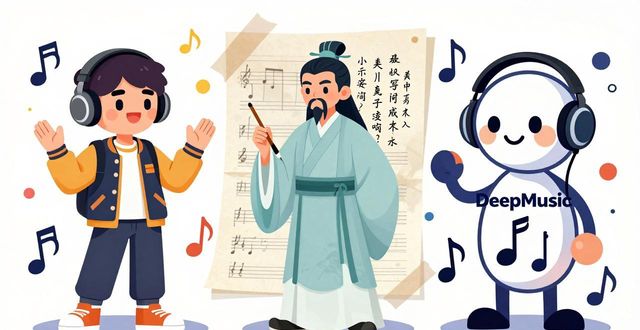
我们是一款备受关注的AI音乐创作软件。它的优势在于其强大的实时生成音乐软件创作功能。用户可以在软件中实时Ai作词、ai作曲、生成音乐。是目前最好用的Ai自动写歌免费软件。

- AI音乐创作真能帮你写出爆款歌吗 手把手教你玩转AI作歌_2026-06-09
- AI文章生成工具怎么用?3个步骤写出原创爆款_2026-06-09
- Ai音乐真的能帮你写歌吗 普通人也能做的3个神器_2026-06-09
- AI文章生成到底好不好用?我测了10个工具告诉你真相_2026-06-09
- AI自动写歌免费软件推荐 小白也能轻松创作_2026-06-09
- AI文章生成全攻略 三步教你写出爆款内容_2026-06-09
- AI视频生成工具怎么选 零基础快速上手攻略_2026-06-09
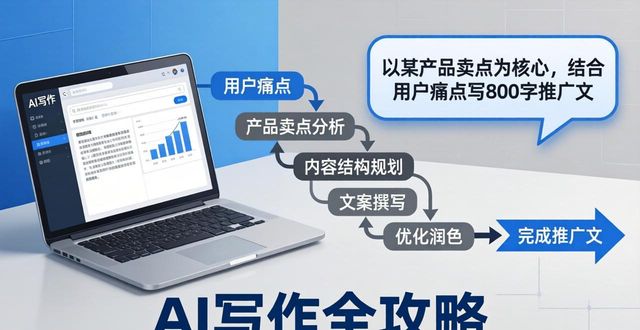
- AI文章生成全攻略 三步教你写出爆款内容_
AI文章生成技术如今已非常成熟,无论是自媒体创作者还是企业运营人员,都能借助它快速产出高质量内容。但很多人只停留在“复制粘贴”层面,浪费了这个强大工具的真正潜力。要想让AI写出符合需求、有深度、能吸引
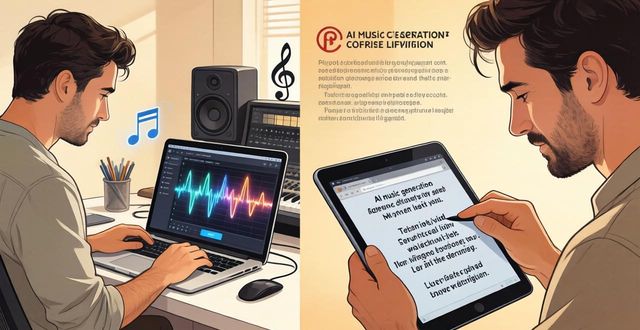
- AI音乐生成器好用吗 亲测3款工具告诉你_
最近AI音乐工具大爆发,很多人都好奇它们到底能不能帮普通人写歌。作为一个试过十几款产品的音乐爱好者,我发现现在的AI音乐生成器已经能产出相当完整的伴奏和人声,但离完美还有距离。下面分享我的实测经验和避
- AI文章生成全攻略 三步教你写出爆款内容_
AI文章生成技术如今已非常成熟,无论是自媒体创作者还是企业运营人员,都能借助它快速产出高质量内容。但很多人只停留在“复制粘贴”层面,浪费了这个强大工具的真正潜力。要想让AI写出符合需求、有深度、能吸引
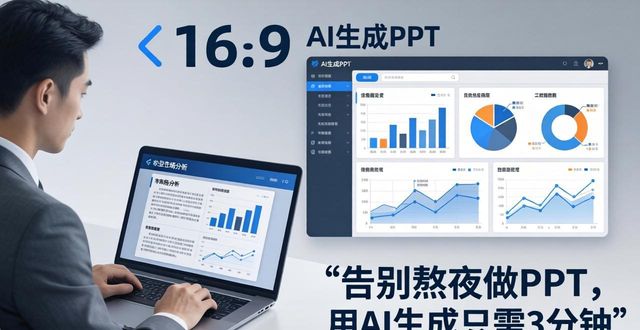
- 告别熬夜做PPT 用AI生成PPT只需3分钟_
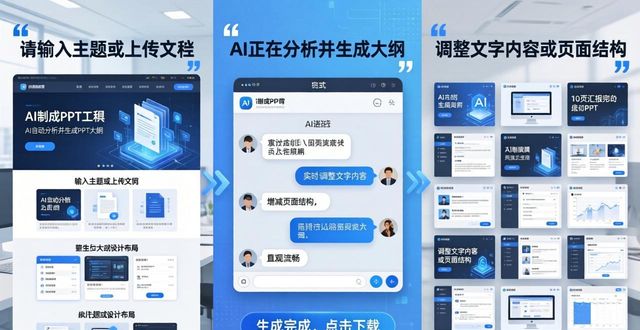
AI生成PPT正在改变职场人的工作方式。过去花几小时排版、找模板、调颜色,如今借助智能工具,只需输入主题或上传文档,就能自动生成结构清晰、设计专业的演示文稿。这项技术不仅节省时间,更让内容表达变得高效
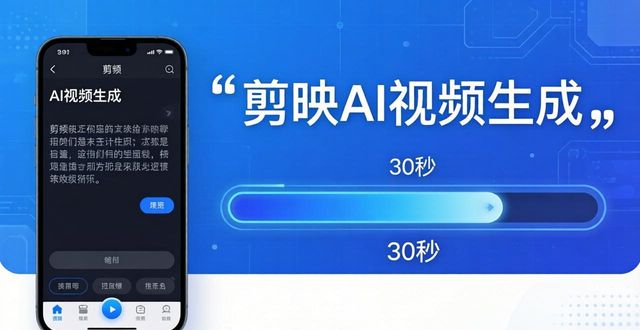
- AI视频生成工具怎么选 零基础快速上手攻略_
AI视频生成正在改变内容创作的游戏规则,无论是营销短视频还是个人Vlog,都能在几分钟内自动生成高质量画面。作为长期使用各类AI工具的创作者,我发现选对工具和方法,效率能提升十倍以上。AI视频生成靠谱
- AI视频生成工具怎么选 零基础快速上手攻略_
AI视频生成正在改变内容创作的游戏规则,无论是营销短视频还是个人Vlog,都能在几分钟内自动生成高质量画面。作为长期使用各类AI工具的创作者,我发现选对工具和方法,效率能提升十倍以上。AI视频生成靠谱
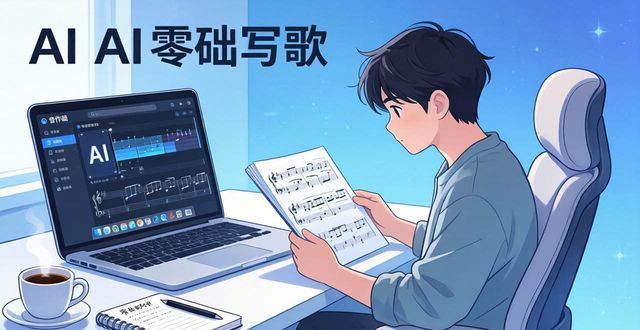
- AI作曲软件哪个好 零基础写歌神器推荐_
AI作曲软件正在改变音乐创作的方式,让普通人也能快速生成专业级的旋律和伴奏。无论你是音乐小白还是资深制作人,这类工具都能帮你突破灵感瓶颈。AI作曲软件怎么用大多数AI作曲软件操作非常简单,只需选择风格
- AI音乐创作入门:普通人也能做歌_
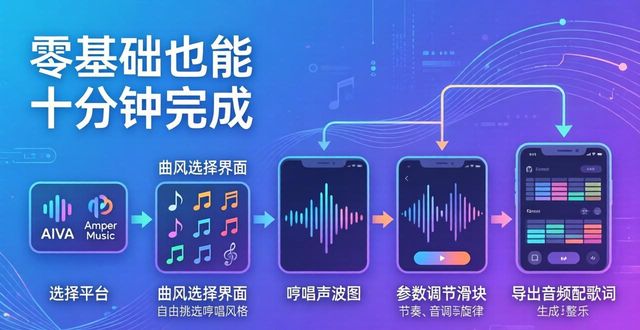
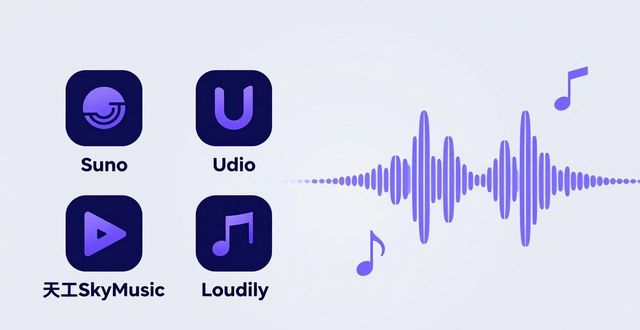
AI音乐正在改变我们听歌和写歌的方式。过去觉得作曲编曲门槛很高,现在借助人工智能工具,即使不懂乐理也能快速生成完整的伴奏甚至人声。这不仅是技术突破,更让音乐创作变得人人可尝试。AI音乐怎么制作市面上主
- AI视频生成工具实测:新手也能快速出片_06-09
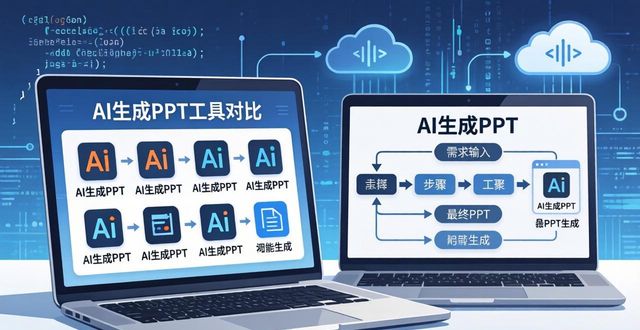
- AI生成PPT哪个工具更靠谱_06-09
- AI作曲软件真能写歌吗 我试了3款分享心得_06-09
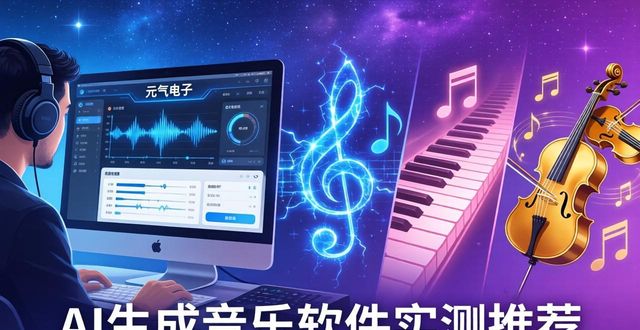
- AI生成音乐软件哪个好用又免费_06-09
- 免费AI写歌软件推荐 实测好用的自动作曲工具_06-09
- AI作曲软件真能写歌吗 我试了3款分享心得_06-09
AI文章生成
- AI文章生成全攻略 三步教你写出爆款内容_
AI文章生成技术如今已非常成熟,无论是自媒体创作者还是企业运营人员,都能借助它快速产出高质量内容。但很多人只停留在“复制粘贴”层面,浪费了这个强大工具的真正潜力。要想让AI写出符合需求、有深度、能吸引
- AI音乐创作真能帮你写出爆款歌吗 手把手教你玩转AI作歌_06-09
- AI生成PPT哪个工具好用 3分钟搞定工作汇报_06-09
- AI音乐生成器好用吗 亲测3款工具告诉你_06-09
- AI音乐生成器好用吗 亲测3款工具告诉你_06-09
- 告别熬夜做PPT 用AI生成PPT只需3分钟_06-09
- 免费AI写歌软件推荐 实测好用的自动作曲工具_06-09
AI短视频
- AI生成音乐软件真的靠谱吗 新手选哪个好_
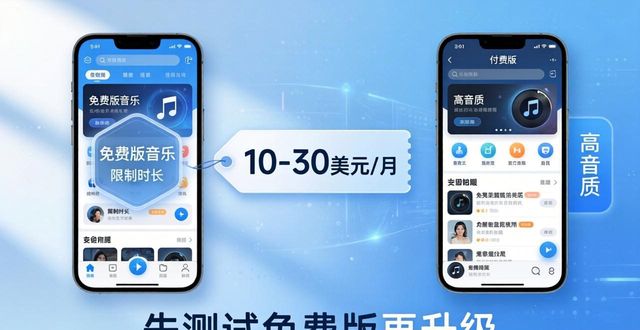
最近身边不少朋友开始用AI生成音乐软件做背景音乐,甚至有人用它创作完整歌曲。作为音乐爱好者,我试用了十几款主流工具后发现,选对软件确实能大幅提升效率,但盲目跟风也可能踩坑。AI生成音乐软件怎么选市面上
- AI视频生成工具怎么选 零基础快速上手攻略_06-09
- AI音乐创作入门:普通人也能做歌_06-09
- AI视频生成工具实测:新手也能快速出片_06-09
- AI视频生成工具怎么选 零基础快速上手攻略_06-09
- AI作曲软件哪个好 零基础写歌神器推荐_06-09
- AI视频生成工具实测:新手也能快速出片_06-09
AI数字人
- AI文章生成全攻略 三步教你写出爆款内容_
AI文章生成技术如今已非常成熟,无论是自媒体创作者还是企业运营人员,都能借助它快速产出高质量内容。但很多人只停留在“复制粘贴”层面,浪费了这个强大工具的真正潜力。要想让AI写出符合需求、有深度、能吸引
- AI作词软件真的能写出好歌词吗 实测三款热门工具告诉你答案_06-09
- AI生成音乐软件免费版哪家强 实测推荐_06-09
- AI文章生成到底好不好用?我测了10个工具告诉你真相_06-09
- 免费AI写歌软件推荐 实测好用的自动作曲工具_06-09
- AI音乐生成器好用吗 亲测3款工具告诉你_06-09
- AI文章生成神器免费推荐 3分钟写出爆款文章_06-09